Table of Content
Pay homage to the beautiful rural setting of your cottage by decorating with papers and fabrics that capture the charm of the countryside. William Morris – artist, designer, poet, socialist and ‘Godfather of the Arts and Crafts Movement’ – created hundreds of designs that celebrate the beauty of nature. A key component of a cottage facade, front doors contribute hugely to their sought-after, unique character and charm. Couches and chairs often feature throw pillows for extra comfort, and soft chenille blankets might be draped across the backs of furniture so you can snuggle up with a good book. Because these homes are meant to be practical, sofas are often covered in rugged slipcovers that can be removed and washed.
While this Connecticut cottage's living room's upholstered furniture is white, the sofa and chairs are also purposefully deconstructed, with tufted fronts and exposed burlap-and-wood backs. A settee and two armchairs by Restoration Hardware cozy up to a Zentique coffee table. Owner Jane Griffiths has decorated throughout with a mix of influences, including French country style, a little bit of Scandinavian decor, and a touch of country decorating. It is honest, natural, and totally beautiful, trimmed with vintage decorations and clever finds. Allen left the upstairs floor joists exposed, which added 10 inches of height downstairs.
Cottage Decorating Ideas with Cozy Character
Evoking images of Old World charm, they were highlighted with cobblestone, asymmetrical shape and imaginative, mismatched doors, windows and roof lines. A wide variety of building materials were used to construct the homes including brick and wood framing for a simple construction home. Contemporary small cottage house plans remain compact, usually “two up, two down”—quite simply, 2 bedroom on each floor, but are usually romanticized as quaint or picturesque. Rather than being occupied by serfs or cotters, contemporary cottages were owned by wealthier families as getaway properties, frequently situated near a lake or even in the mountains. In 1842, Andrew Jackson Downing printed a house design book known as Cottage Residences, which sparked a growing interest in these homes as serene and picturesque. In the United States, cottages were generally summer residences for middle-class and upper families.

Because this style dates back so far, natural materials are usually a featured element. The exterior of a cottage might be made of stone, or it could feature wooden shingles. Cottage roofs are usually pitched and may showcase exposed wooden beams.
[Nos. 16-28] The Kitchen
Because cottages are so small, the color palette inside is usually light and bright. White is a popular choice for wall colors, although any neutral tones make a great base. One way to personalize your cottage garden is to choose plants that have special meaning to you.
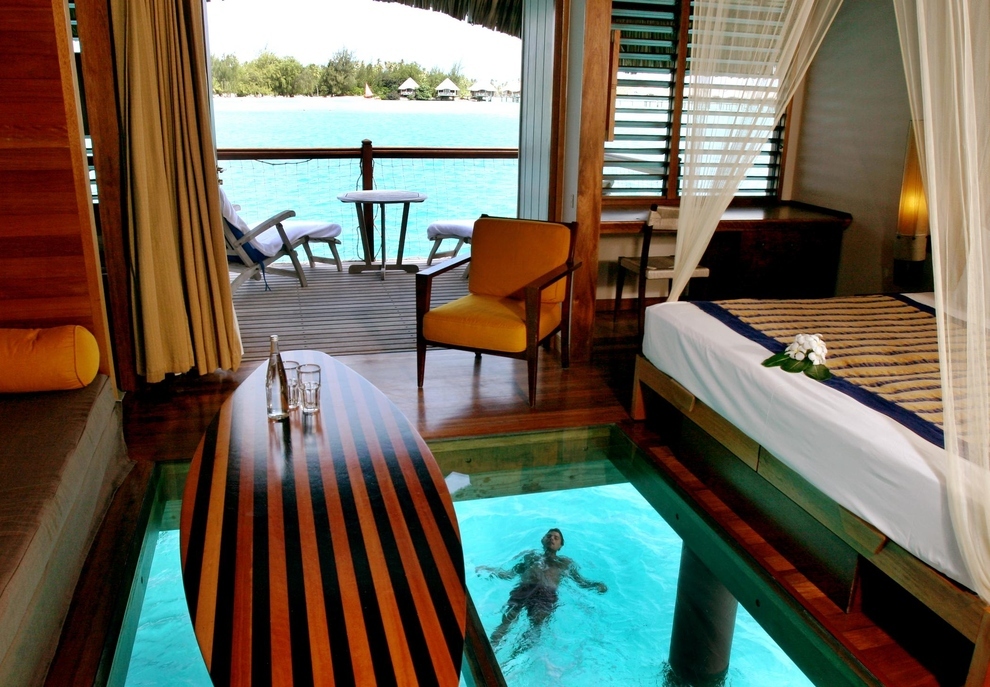
And while the plants and flowers used in these gardens are often old-fashioned or heirloom varieties, there needs to be a list of what you must grow to create a cottage garden. Whether you’re looking for ideas for your cottage living room or just love cottage accessories, it's easy to bring a pretty, rustic touch to your home with this traditional look. And don't miss our expert advice to gather all the elements you need to achieve the perfect scheme. So, pour yourself a cup of tea, settle into your sofa and take a look through our favourite ultra-cosy cottage living rooms. A cottage is typically a smaller design that may remind you of picturesque storybook charm.
Decorating Ideas For A Cottage House
Cottages are traditionally considered country homes and sometimes thought of as a second home. They often have stone exteriors, a pitched roof, and small interior rooms. The modern cottage look embraces the antique aesthetic, but folds in modern elements such as moody paint colors, reclaimed wooden pieces, and chunky textiles. The goal is always comfort when it comes to modern cottage, and every room should be styled in a way that feels homey and welcoming. Who said that a traditional cottage interior design can’t be modern?

Toile actually has french origins, but has a natural fit in any type of cottage. It’s a type of pattern that is found on different fabrics, such as pillows, bedding, and curtains. Toile is typically printed on off-white fabrics and shows complex scenes that are repeated throughout the fabric with muted colors of blues, reds, and more. Buffalo check, florals, stripes, plaids, and dotted prints all suit cottage homes. This bedroom layers several patterns over a foundation of shiplap walls and knotty wood floors for a characterful effect. Think colors inspired by the nature, botanical prints and an eclectic mix of handmade and antique wooden furniture.
Finally, don’t be afraid to experiment with color in your cottage garden. While traditional gardens are typically filled with pastel colors, you can use brighter shades in your cottage garden. Adding a pop of color here and there can make your cottage garden stand out. Another way to personalize your cottage garden is to choose unique containers for your plants. Instead of using traditional pots and planters, look for exciting containers like antique barrels or wheelbarrows. Using unique containers can add another layer of personality to your garden.
While you can choose from many different colors, patterns and paints, the ideal color scheme should be unified. If you have a seashore cottage, look for ocean-inspired shades like pale aquamarine. A cozy cottage in the woods might have pale sage walls to pick up the green in the surrounding forest. While cottage decor as a style came into being in the mid-19th-century, the furnishings aren’t as era-specific as they are in other styles like mid-century modern. You can bring in furniture and decorations from many different time periods to create a look that is unique and customized to your taste.
Chicken wire was originally used on pantry doors to let air circulate around stored root vegetables. Installed behind glass fronts, it provides a hint of country charm. Plate racks and hanging shelf units took up less room than freestanding hutches and sideboards. This piece's graceful arch, curved brackets, and beadboard back are traditional touches; the cubby organizer updates it for today.
Tucked between wall studs and just below the eaves, a beadboard-lined, trimmed-out cubby provides a perfect spot for extra towels in a diminutive powder room. Step through the door or walk around the corner and what do you discover? Tucked-in shelving and furniture that ingeniously make use of every nook and cranny. For more inspiration and advice, head to our panelling design gallery. Today there's a wide range of sizes, fuel types to choose from, as well as an infinite number of finishes and colours.
Pick authentic pieces that match the period of the cottage, and choose wood with rich tones that add a warmth and depth to the room, helping to create a comforting hub of the house. Use our guide to how to choose the best living room furniture to ensure you find quality pieces. If you’re lucky enough to own a period home or have constructed your home in a traditional architectural style, show off its unique features by making the most of its architecture. For example, if your living room has original beams, bay windows or stone walls, integrate them into your cottage interior design instead of concealing them with wallpaper or plaster. You can also bring elements of modernism to your overall traditional cottage interior design and see how they complement the whole look to create a harmonious country style.
One thing that is crucial to cottage interior design is a layered style. It is essential if you wish to bring character, colour and warmth to your living room. You can pile on the layers by introducing throws, rugs, curtains and cushions in mixed prints, colours and textures. To get a true English cottage style feel, think tartans, rich-toned fabrics, plaids, damasks, florals and chequers in traditional woven or knitted materials.
A couple of styles use the storybook charm of cottage style homes. Cottages basically feature an asymmetrical architecture which is completed with a steeply-pitched roof usually smaller both in curbside and footprint appearance. Cottage style homes have natural siding materials like brick or stone for texture.
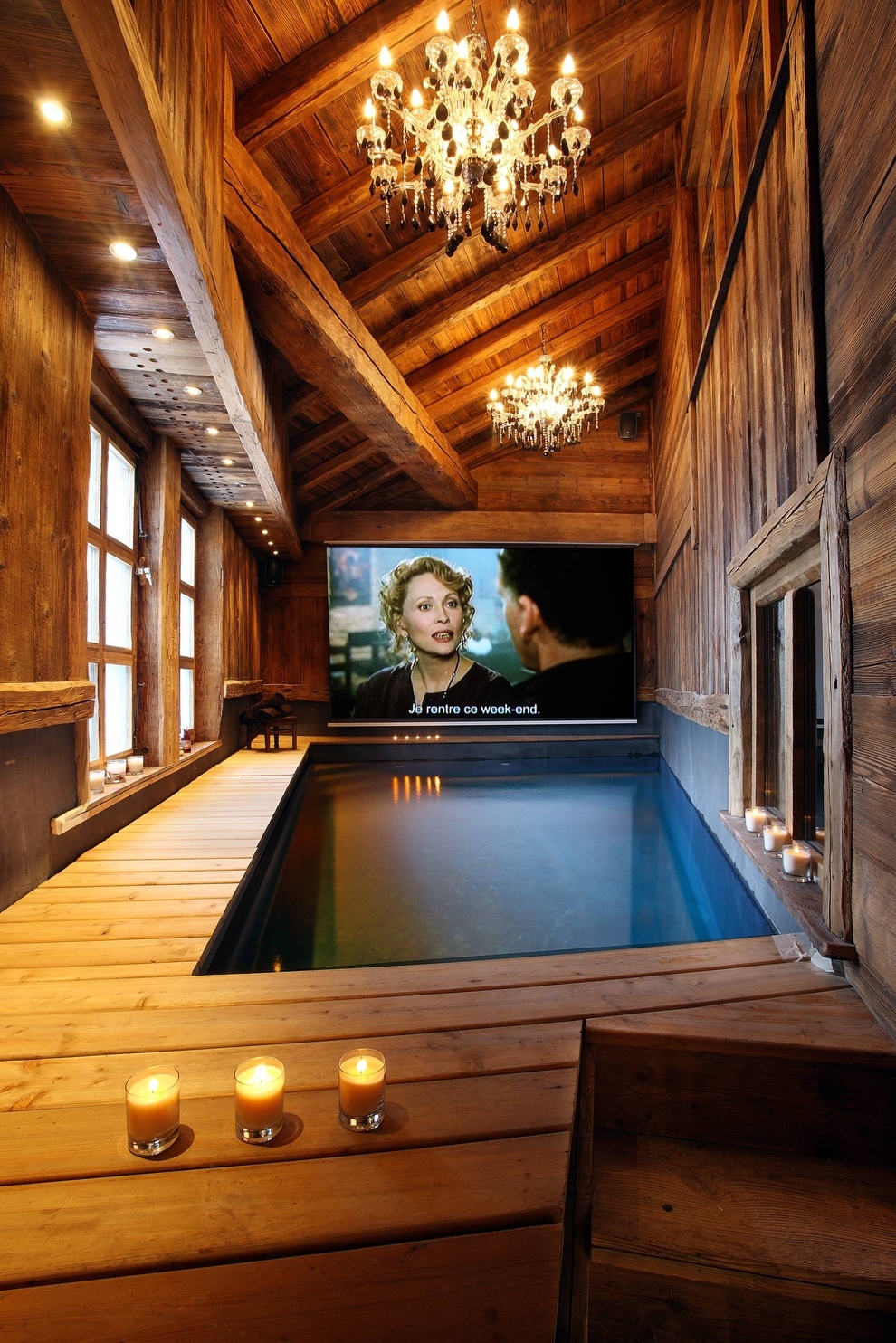
The shams and duvet cover are West Elm; the coverlet is Garnet Hill. The rooms of this Arkansas home were stuffed with mismatched furniture covered in musty 1980s linens, but the homeowner spotted enough gems in the mix to buy the place fully furnished. She saved only the pieces with potential or items that were stunning as is, like the sage cupboard and the chippy dining table. The cottage is part of a larger house that has a Georgian façade and older buildings to the rear. Jane, Owain and their children live in the main house, and use the cottage for visiting family and as a holiday rental.




No comments:
Post a Comment